
Walking for Weight Loss Plan for Seniors: A Comprehensive Guide
As we gracefully journey through our senior years, maintaining a healthy weight becomes increasingly important. It’s not just about fitting into those favorite jeans; it’s about preserving mobility, boosting energy, and safeguarding against age-related health concerns. And amidst the myriad of fitness options, one stands out for its simplicity, accessibility, and profound benefits: walking. This is your complete guide to developing a walking for weight loss plan for seniors.
Why Walking is a Superpower for Seniors
Why choose walking when you could hit the gym or try the latest fitness craze? Here's why walking reigns supreme for seniors:
- Low Impact: Gentle on joints, reducing the risk of injury compared to high-impact activities.
- Accessibility: Requires no special equipment or gym memberships. Just you, comfortable shoes, and a safe route.
- Cardiovascular Health: Improves heart health, lowers blood pressure, and boosts circulation.
- Weight Management: Burns calories, boosts metabolism, and helps shed unwanted pounds.
- Mental Well-being: Reduces stress, combats anxiety, and improves mood.
- Social Connection: An opportunity to socialize with friends or join a walking group.
Crafting Your Personalized Walking Plan
Ready to lace up those shoes? Here’s how to create a walking for weight loss plan for seniors that’s tailored to your individual needs and abilities:
1. Consult Your Doctor
Before embarking on any new fitness journey, it’s crucial to consult your physician. They can assess your overall health, identify any limitations, and provide personalized recommendations.
2. Set Realistic Goals
Start small and gradually increase your walking duration and intensity. Aim for achievable milestones to stay motivated and prevent burnout. For example, start with 10-15 minute walks three times a week and gradually increase to 30 minutes most days of the week.
3. The Frequency, Intensity, Time, and Type (FITT) Principle
The FITT principle is your roadmap for structuring your walking plan:
- Frequency: How often you walk. Aim for at least three to five days per week.
- Intensity: How hard you walk. Start with a comfortable pace and gradually increase to a moderate intensity where you can still hold a conversation.
- Time: How long you walk. Begin with 10-15 minutes and gradually increase to 30-60 minutes.
- Type: The type of activity. Walking is the primary focus, but you can incorporate variations like hill walking or brisk walking.
4. Sample Weekly Walking Plan
Here's a sample plan to get you started. Remember to adjust it based on your individual fitness level:
| Day | Activity | Duration | Intensity |
|---|---|---|---|
| Monday | Brisk walk | 20 minutes | Moderate (able to talk) |
| Tuesday | Rest | – | – |
| Wednesday | Leisurely walk | 30 minutes | Easy (comfortable pace) |
| Thursday | Brisk walk | 25 minutes | Moderate |
| Friday | Rest | – | – |
| Saturday | Longer walk (park or trail) | 40 minutes | Moderate |
| Sunday | Gentle stroll | 20 minutes | Easy |
5. Warm-up and Cool-down
Never skip these crucial steps! Warm-up stretches prepare your muscles for activity, while cool-down stretches prevent stiffness and soreness. Include stretches like hamstring stretches, calf stretches, and shoulder rolls.
6. Track Your Progress
Use a journal, fitness tracker, or smartphone app to monitor your walking distance, time, and pace. Seeing your progress can be incredibly motivating. Try apps such as Strava, MapMyWalk, or even the built-in health app on your smartphone. This also allows you to identify any areas to improve over time.
7. The Importance of Proper Gear
While walking is simple, the right gear can make a world of difference:
- Comfortable Shoes: Invest in supportive walking shoes with good cushioning.
- Moisture-Wicking Socks: Keep your feet dry and prevent blisters.
- Loose-Fitting Clothing: Allows for freedom of movement.
- Sun Protection: Wear sunscreen, a hat, and sunglasses, especially on sunny days.
- Water Bottle: Stay hydrated by carrying water with you.
Turning Up the Heat: Boosting Calorie Burn
Ready to take your walking plan to the next level and melt away those extra pounds? Here are some strategies to kick things up a notch:
1. Interval Walking
Alternate between periods of high-intensity walking and low-intensity walking. For example, walk briskly for two minutes, then walk at a slower pace for one minute. Repeat this cycle for 20-30 minutes. Studies have shown the effectiveness of HIIT for weight loss. Check out this study by PubMed Central.
2. Hill Walking
Uphill walking engages more muscles and burns more calories. Find a route with gentle hills or use a treadmill with an incline feature.
3. Add Ankle Weights or a Weighted Vest
Gradually incorporate ankle weights or a weighted vest to increase resistance and calorie burn. Start with light weights (1-2 pounds) and gradually increase as you get stronger.
4. Increase Your Pace
Walking faster burns more calories in the same amount of time. Focus on increasing your stride length and arm swing.
Walking for Weight Loss: More Than Just Exercise
While walking is a fantastic exercise for weight loss for seniors, it’s most effective when combined with a healthy diet and lifestyle. Here’s how to maximize your results:
1. Nourish Your Body
Focus on a balanced diet rich in fruits, vegetables, lean protein, and whole grains. Limit processed foods, sugary drinks, and unhealthy fats. Consider consulting a registered dietitian for personalized nutrition guidance.
2. Stay Hydrated
Drink plenty of water throughout the day, especially before, during, and after your walks.
3. Prioritize Sleep
Aim for 7-8 hours of quality sleep each night. Sleep deprivation can disrupt hormones that regulate appetite and metabolism.
4. Manage Stress
Chronic stress can lead to weight gain. Practice relaxation techniques such as deep breathing, meditation, or yoga.
5. Find a Walking Buddy
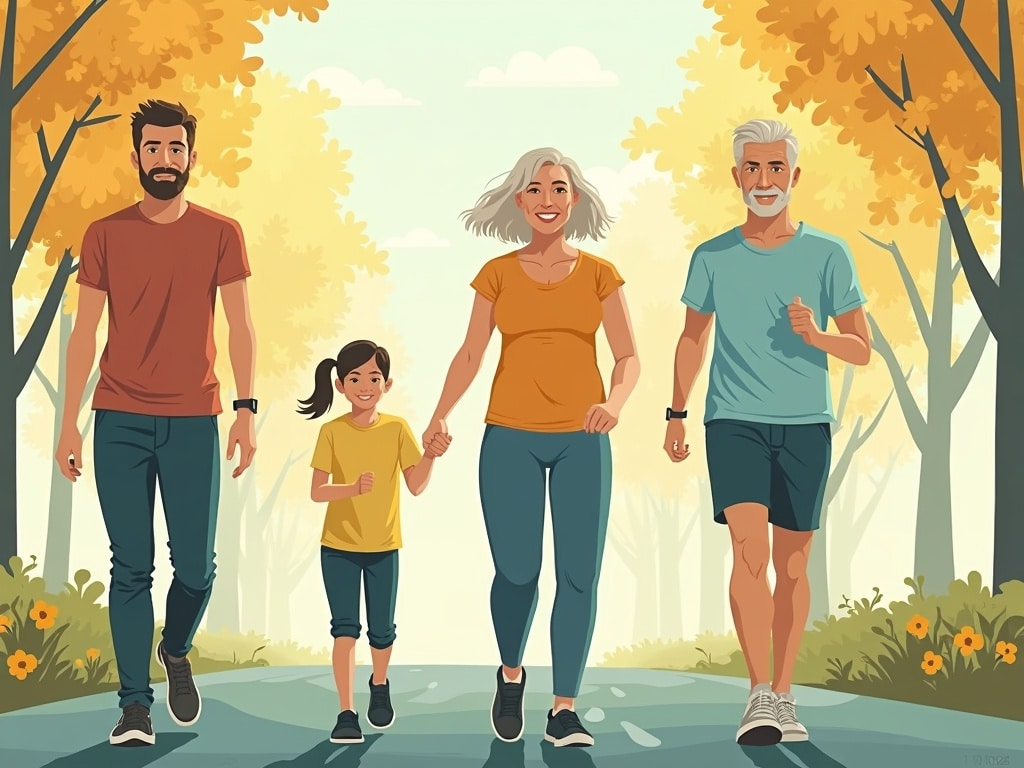
Walking with a friend or family member can make your workouts more enjoyable and keep you motivated. Plus, you'll have an accountability partner to help you stay on track.
Addressing Common Concerns
Seniors may face unique challenges when it comes to exercise. Here are some tips for overcoming common obstacles:
- Joint Pain: Choose flat, even surfaces for walking. Consider using walking poles for added support and stability.
- Balance Issues: Walk in well-lit areas and use a walking aid if necessary. Consider joining a senior walking group with trained instructors.
- Fatigue: Start with shorter walks and gradually increase the duration as you build stamina. Listen to your body and rest when needed.
- Motivation: Set realistic goals, reward yourself for achieving milestones, and find a walking buddy to stay motivated.
Walking Towards a Healthier, Happier You
Walking is more than just an exercise; it's a pathway to a healthier, happier, and more fulfilling life in your senior years. By creating a personalized walking for weight loss plan for seniors, embracing a healthy lifestyle, and addressing any challenges along the way, you can unlock the incredible benefits of this simple yet powerful activity. So, lace up those shoes, step outside, and begin your journey towards a lighter, brighter future, one step at a time. The path to wellness awaits!