
The Dynamic Duo: How Vitamin D and Calcium Work Together for Bone Strength
Ever wondered why milk commercials always highlighted both calcium and vitamin D? It's no coincidence. These two nutrients are the power couple of bone health, working synergistically to keep your skeletal system strong and resilient. But how exactly do they do it, and what happens when you don't get enough? Let's dive into the fascinating world of vitamin D and calcium and unlock the secrets to building and maintaining bone strength throughout life.
Understanding the Importance of Bone Health
Our bones are not the static, lifeless structures we often imagine. They are dynamic, living tissues constantly being broken down and rebuilt in a process called bone remodeling. This process ensures that our bones remain strong and adapt to the stresses we place on them.
**Why is Bone Health Important?**
**Structural Support:Bones provide the framework that supports our bodies, allowing us to stand, walk, and move.
**Protection:They protect vital organs, such as the brain (skull), heart, and lungs (rib cage).
**Mineral Storage:Bones serve as a reservoir for essential minerals, especially calcium and phosphorus.
**Blood Cell Production:Bone marrow, found inside bones, is responsible for producing red and white blood cells.
Maintaining bone health is crucial for preventing conditions like osteoporosis, a disease characterized by weakened bones and increased risk of fractures. Osteoporosis often develops silently over many years, with fractures often being the first sign.
Calcium: The Building Block of Bones
Calcium is a mineral that plays a vital role in many bodily functions, but it is most recognized for its role in building and maintaining strong bones. About 99% of the body's calcium is stored in bones and teeth.
**How Calcium Strengthens Bones:Calcium, along with other minerals like phosphorus, forms the hard, dense structure of bones. Adequate calcium intake provides the building blocks necessary for bone remodeling, ensuring that bones remain strong and healthy.
**Recommended Daily Intake:The recommended daily intake of calcium varies depending on age and sex. Adults generally need around 1000-1200 mg of calcium per day.
**Food Sources of Calcium:**
Dairy products (milk, yogurt, cheese) are excellent sources of calcium.
Leafy green vegetables (kale, spinach, collard greens) also contain calcium, although it may not be as readily absorbed as calcium from dairy.
Fortified foods (cereals, plant-based milk alternatives) can be a good source of calcium.
Other sources include almonds, tofu (calcium-set), and canned sardines with bones.
Vitamin D: The Key to Calcium Absorption
While calcium is essential for bone health, it cannot work alone. Vitamin D is crucial for helping the body absorb calcium from the food we eat. Without sufficient vitamin D, our bodies cannot effectively utilize the calcium we consume, potentially leading to weakened bones.
**How Vitamin D Enhances Calcium Absorption:Vitamin D acts like a key, unlocking the door for calcium to be absorbed in the small intestine. It promotes the production of a protein that binds to calcium and transports it into the bloodstream.
**Sources of Vitamin D:**
**Sunlight:Our bodies can produce vitamin D when our skin is exposed to sunlight. The amount of vitamin D produced depends on factors like time of day, season, latitude, and skin pigmentation.
**Food:Few foods naturally contain vitamin D. Fatty fish (salmon, tuna, mackerel), egg yolks, and beef liver are good sources.
**Fortified Foods:Many foods, such as milk, cereal, and orange juice, are fortified with vitamin D.
**Supplements:Vitamin D supplements are available in various forms, including D2 (ergocalciferol) and D3 (cholecalciferol). D3 is generally considered more effective at raising vitamin D levels in the blood.
**Recommended Daily Intake:The recommended daily intake of vitamin D is 600 IU (International Units) for adults up to age 70 and 800 IU for adults over 70. However, some individuals may require higher doses, especially if they have limited sun exposure or certain medical conditions.
The Synergistic Relationship: Vitamin D and Calcium in Action
Vitamin D and calcium work hand in hand to maintain bone health. Vitamin D ensures that the calcium you consume is absorbed effectively, while calcium provides the building blocks for strong bones.
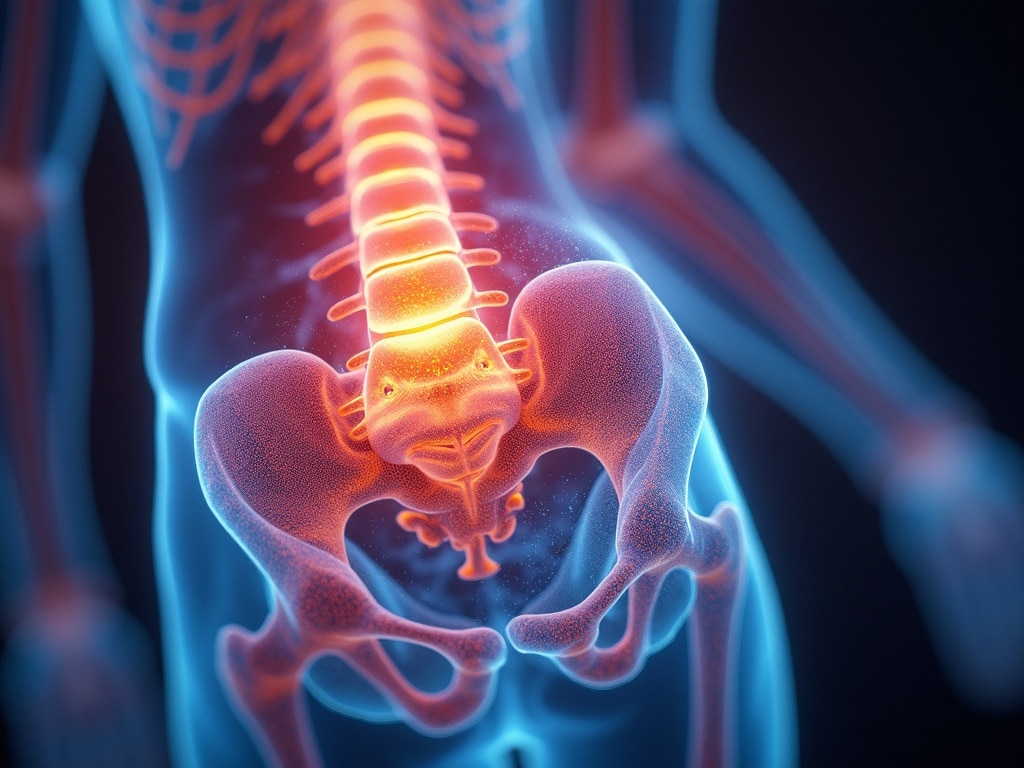
**Maintaining Bone Density:Adequate vitamin D and calcium intake throughout life helps maintain bone density, reducing the risk of osteoporosis and fractures.
**Preventing Osteoporosis:Osteoporosis is a condition characterized by low bone density and increased risk of fractures. Ensuring sufficient vitamin D and calcium intake, along with regular weight-bearing exercise, is crucial for preventing and managing osteoporosis. A deficiency in either vitamin D or calcium can lead to weakened bones and increased fracture risk.
**Reducing Fracture Risk:Studies have shown that adequate vitamin D and calcium intake can significantly reduce the risk of fractures, especially in older adults.
Who is at Risk of Vitamin D and Calcium Deficiency?
Certain individuals are at higher risk of vitamin D and calcium deficiency.
**Older Adults:As we age, our bodies become less efficient at producing vitamin D from sunlight and absorbing calcium from food.
**People with Limited Sun Exposure:Individuals who spend most of their time indoors, wear clothing that covers most of their skin, or live in areas with limited sunlight are at risk of vitamin D deficiency.
**Individuals with Darker Skin Pigmentation:Melanin, the pigment that darkens skin, reduces the skin's ability to produce vitamin D from sunlight.
**People with Certain Medical Conditions:Certain medical conditions, such as Crohn's disease, celiac disease, and kidney disease, can interfere with vitamin D and calcium absorption.
**Individuals Taking Certain Medications:Some medications, such as corticosteroids and anticonvulsants, can affect vitamin D and calcium levels.
**Vegans and Lactose Intolerant Individuals:Vegans may need to pay close attention to their calcium intake, as dairy products are a major source of calcium. Lactose-intolerant individuals may also need to find alternative sources of calcium.
Symptoms of Vitamin D and Calcium Deficiency
Symptoms of vitamin D and calcium deficiency can be subtle and may not appear until the deficiency is severe.
**Vitamin D Deficiency Symptoms:**
Fatigue
Bone pain
Muscle weakness
Frequent infections
Depression
**Calcium Deficiency Symptoms:**
Muscle cramps
Numbness and tingling in the hands and feet
Weak and brittle nails
Confusion or memory loss
Seizures
If you experience any of these symptoms, it is essential to consult with your doctor.
How to Ensure Adequate Vitamin D and Calcium Intake
Here are some tips to ensure you get enough vitamin D and calcium:
**Get Adequate Sunlight Exposure:Aim for 15-20 minutes of sunlight exposure daily, without sunscreen, when the sun is high in the sky.
**Eat Calcium-Rich Foods:Include dairy products, leafy green vegetables, and fortified foods in your diet.
**Eat Vitamin D-Rich Foods:Consume fatty fish, egg yolks, and fortified foods.
**Consider Supplements:If you are unable to get enough vitamin D and calcium from food and sunlight, consider taking supplements. Talk to your doctor to determine the appropriate dose. It is easy to order vitamin D supplements online. This [externalLink insert] is highly rated.
**Maintain a Healthy Lifestyle:Engage in regular weight-bearing exercise, such as walking, running, or weightlifting, to promote bone health.
**Talk to Your Doctor:If you have concerns about your vitamin D and calcium levels, talk to your doctor. They can assess your risk factors, order blood tests, and recommend appropriate interventions.
The Long-Term Benefits of Strong Bones
Investing in your bone health through adequate vitamin D and calcium intake can have significant long-term benefits:
**Reduced Risk of Fractures:Stronger bones are less likely to fracture, reducing the risk of pain, disability, and loss of independence.
**Improved Mobility and Balance:Strong bones and muscles support mobility and balance, allowing you to stay active and independent as you age.
**Enhanced Quality of Life:Maintaining bone health contributes to overall well-being and enhances your quality of life.
Conclusion
Vitamin D and calcium are essential nutrients that work together to build and maintain strong bones. By ensuring adequate intake of these nutrients through diet, sunlight exposure, and supplements, you can protect your bone health and reduce the risk of osteoporosis and fractures. Remember, strong bones are the foundation for a healthy and active life. So, prioritize your bone health today and enjoy the benefits for years to come.