

Black Cohosh for Hot Flashes: Is it a Safe Solution?
Imagine a sudden wave of heat washing over you, your face flushing, and sweat trickling down your back – even though the thermostat reads a cool 68 degrees. This is the reality for millions of women experiencing hot flashes, a common symptom of menopause. Seeking relief, many turn to natural remedies, and black cohosh often surfaces as a promising option. But is black cohosh for hot flashes safe? Let's delve into the science, weigh the potential benefits, and address the concerns surrounding this popular herbal supplement.
What is Black Cohosh?
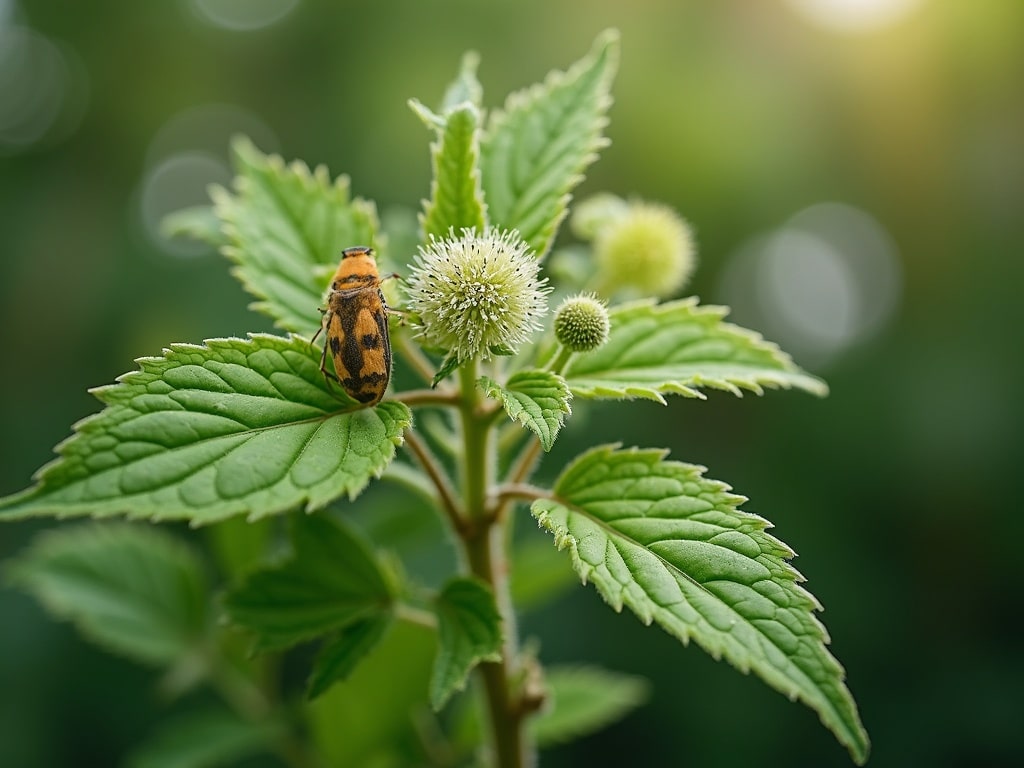
Black cohosh (Actaea racemosa), also known as black bugbane, is a perennial plant native to North America. For centuries, Native American tribes have used its roots and rhizomes (underground stems) for various medicinal purposes, primarily for women's health issues. Today, it's widely available as an over-the-counter supplement marketed to alleviate menopausal symptoms, particularly hot flashes, night sweats, and mood swings.
How Does Black Cohosh Work? Unraveling the Mystery
The exact mechanism of action of black cohosh remains a subject of ongoing research and debate. Initially, it was believed that black cohosh contained estrogen-like compounds, hence its effectiveness in mitigating estrogen decline during menopause. However, more recent studies suggest that it may not directly interact with estrogen receptors. Instead, several theories propose alternative pathways:
- Serotonin Modulation: Some research indicates that black cohosh may influence serotonin levels in the brain. Serotonin is a neurotransmitter that plays a crucial role in regulating body temperature, mood, and sleep. By modulating serotonin activity, black cohosh may help stabilize the body's temperature control and reduce the frequency and intensity of hot flashes.
- Neurokinin B (NKB) Pathway: Emerging evidence suggests that black cohosh may affect the neurokinin B (NKB) pathway, a network of neurons in the brain involved in regulating hot flashes. By influencing this pathway, black cohosh may help reduce the occurrence of these disruptive heat surges.
- Anti-inflammatory Effects: Black cohosh contains compounds with anti-inflammatory properties. Inflammation is implicated in various menopausal symptoms, and by reducing inflammation, black cohosh may indirectly contribute to hot flash relief.
The Evidence: Does Black Cohosh Really Reduce Hot Flashes?
Numerous studies have investigated the efficacy of black cohosh in alleviating hot flashes. The results, however, have been mixed, leading to some controversy. Some studies have shown significant reductions in the frequency and severity of hot flashes compared to placebo, while others have found no significant difference. Let's examine the evidence:
- Positive Studies: Several meta-analyses (studies that combine the results of multiple studies) have suggested that black cohosh may be more effective than placebo in reducing hot flashes. These studies often highlight the importance of using standardized extracts of black cohosh and adhering to recommended dosages.
- Inconclusive Studies: Other studies have yielded less conclusive results, with some showing only a slight improvement in hot flash symptoms or no significant difference compared to placebo. These varying results may be attributed to differences in study design, dosage, duration of treatment, and the specific black cohosh extract used.
- Comparative Studies: Some studies have compared black cohosh to hormone therapy (HT), the gold standard treatment for menopausal symptoms. While HT is generally considered more effective, some women may prefer black cohosh due to concerns about the potential risks associated with hormone therapy.
Overall, the evidence suggests that black cohosh may be helpful for some women in managing hot flashes, but it may not work for everyone. Individual responses can vary, and further research is needed to fully understand its effectiveness and identify which women are most likely to benefit. You can explore hormone replacement therapy by clicking on this link [externalLink insert].
Is Black Cohosh Safe? Addressing the Concerns
While black cohosh is generally considered safe for short-term use (up to six months), potential side effects and safety concerns should be considered:
Common Side Effects:
- Gastrointestinal Issues: Some women may experience mild digestive upset, such as nausea, stomach pain, or diarrhea.
- Headaches: Headaches are another commonly reported side effect.
- Dizziness: Some individuals may experience dizziness or lightheadedness.
- Vaginal Spotting: In rare cases, black cohosh may cause vaginal spotting or bleeding.
Serious Safety Concerns:
- Liver Toxicity: In rare instances, black cohosh has been linked to liver problems, including hepatitis and liver failure. While the association is not definitively proven, it's crucial to be aware of the potential risk. Individuals with pre-existing liver conditions should avoid black cohosh. Watch out for symptoms like jaundice (yellowing of the skin or eyes), dark urine, abdominal pain, and fatigue. Seek immediate medical attention if you experience any of these symptoms.
- Drug Interactions: Black cohosh may interact with certain medications, including blood thinners, hormone therapy, and some medications metabolized by the liver. It's essential to inform your doctor about all medications and supplements you are taking before starting black cohosh.
- Pregnancy and Breastfeeding: Black cohosh is not recommended for pregnant or breastfeeding women due to a lack of safety data.
- Hormone-Sensitive Conditions: Although evidence suggests black cohosh doesn't act like estrogen, individuals with hormone-sensitive conditions like breast cancer, uterine cancer, or endometriosis should exercise caution and consult their doctor before using it.
Who Should Avoid Black Cohosh?
Certain individuals should avoid black cohosh altogether or use it only under the close supervision of a healthcare professional:
- Individuals with pre-existing liver conditions
- Pregnant or breastfeeding women
- Individuals with a history of hormone-sensitive cancers (breast, uterine, ovarian)
- Individuals taking blood thinners or other medications that may interact with black cohosh
Dosage and How to Use Black Cohosh Safely
If you're considering trying black cohosh for hot flashes , it's crucial to follow these guidelines to ensure safe and effective use:
- Consult Your Doctor: Before starting black cohosh, discuss it with your doctor, especially if you have any underlying health conditions or are taking medications.
- Choose a Reputable Brand: Select a high-quality black cohosh supplement from a reputable manufacturer that adheres to good manufacturing practices (GMP). Look for products that have been third-party tested for purity and potency.
- Start with a Low Dose: Begin with the lowest recommended dose and gradually increase it as needed, under the guidance of your doctor. A typical dosage is 20-40 mg of black cohosh extract twice daily.
- Use Short-Term: Black cohosh is generally recommended for short-term use (up to six months). Long-term safety data is limited.
- Monitor for Side Effects: Pay close attention to any side effects you experience while taking black cohosh. If you notice any unusual symptoms, discontinue use and consult your doctor.
- Be Patient: It may take several weeks to experience the full benefits of black cohosh. Don't expect immediate results.
Alternatives to Black Cohosh for Hot Flashes
If black cohosh isn't right for you, or if you're looking for additional ways to manage hot flashes, consider these alternatives:
- Hormone Therapy (HT): HT remains the most effective treatment for hot flashes. However, it also carries potential risks, so it's crucial to discuss the benefits and risks with your doctor to determine if it's the right option for you.
- Selective Serotonin Reuptake Inhibitors (SSRIs) and Selective Norepinephrine Reuptake Inhibitors (SNRIs): These antidepressants can also help reduce hot flashes in some women.
- Gabapentin: This anticonvulsant medication is sometimes used to treat hot flashes.
- Lifestyle Modifications: Making lifestyle changes, such as avoiding trigger foods (caffeine, alcohol, spicy foods), dressing in layers, staying cool, and practicing relaxation techniques, can also help manage hot flashes.
- Other Herbal Remedies: Other herbal remedies that may help with hot flashes include red clover, evening primrose oil, and dong quai, but more research is needed to confirm their effectiveness and safety.
The Bottom Line: Is Black Cohosh a Safe Choice for You?
Black cohosh can be a helpful option for some women seeking relief from hot flashes, offering a natural alternative to hormone therapy. However, it's not a magic bullet, and it's essential to approach it with caution and awareness. The effectiveness of black cohosh varies from person to person, and it's crucial to weigh the potential benefits against the potential risks. Always consult with your doctor before starting black cohosh, especially if you have any underlying health conditions or are taking medications. By making informed decisions and prioritizing your safety, you can navigate the challenges of menopause and find the right solutions for your individual needs.