

How to Heal Leaky Gut Syndrome Naturally: A Comprehensive Guide
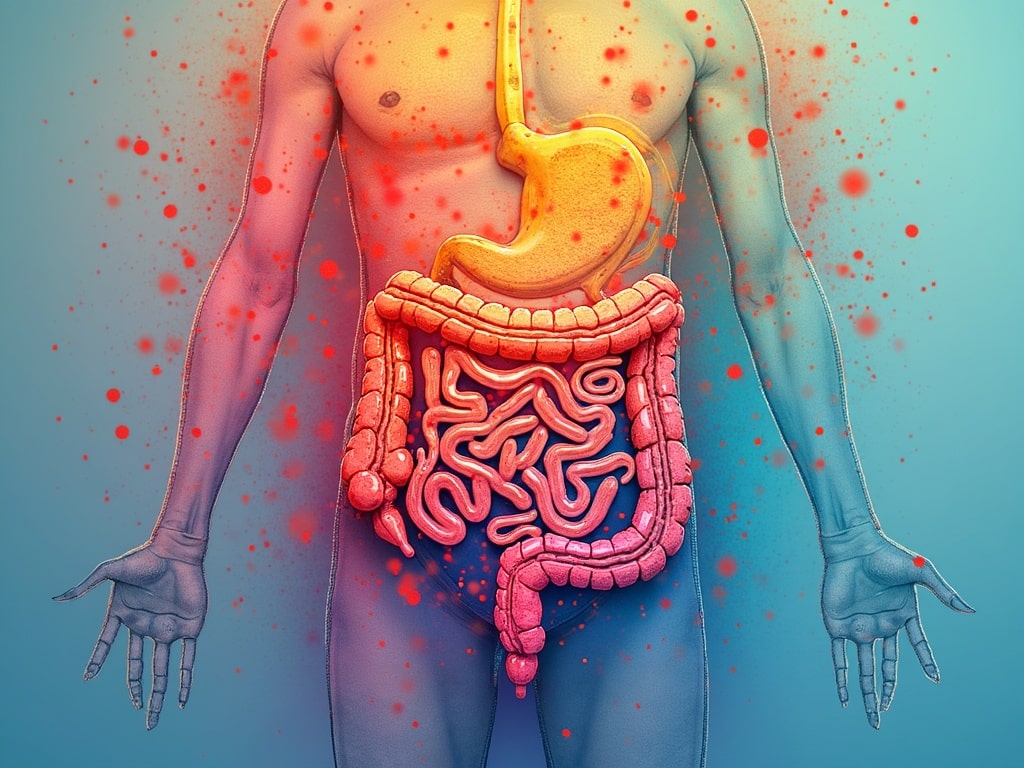
Imagine your gut as a bustling city, its walls strong and secure, carefully controlling who and what gets in. Now picture those walls riddled with cracks, allowing unwanted substances to leak into the bloodstream. That’s essentially what happens in leaky gut syndrome, also known as intestinal permeability. It's a condition that can trigger a cascade of health issues, from digestive distress to autoimmune diseases. The good news? You can often heal leaky gut syndrome naturally, empowering your body to restore its natural balance and resilience.
Understanding Leaky Gut Syndrome
Leaky gut syndrome isn't a formal, universally recognized diagnosis, but rather a description of what happens when the intestinal lining becomes compromised. This lining, a single layer of cells, acts as a barrier, selectively allowing nutrients to pass into the bloodstream while keeping out larger molecules like bacteria, toxins, and undigested food particles.
When the tight junctions between these cells loosen – picture those city walls crumbling – the barrier becomes permeable. This leakage allows those unwanted substances to enter the bloodstream, triggering an immune response and systemic inflammation.
What Causes Leaky Gut?
Several factors can contribute to the development of leaky gut, including:
- Diet: A diet high in processed foods, sugar, and refined carbohydrates, and low in fiber can disrupt the gut microbiome and irritate the intestinal lining.
- Medications: Certain medications, like NSAIDs (nonsteroidal anti-inflammatory drugs) and antibiotics, can damage the gut lining and alter the gut microbiome.
- Stress: Chronic stress can negatively impact gut health and increase intestinal permeability.
- Infections: Bacterial imbalances (dysbiosis), parasitic infections, and yeast overgrowth (Candida) can all contribute to leaky gut.
- Alcohol: Excessive alcohol consumption can irritate the gut lining and increase permeability.
- Underlying Health Conditions: Conditions like inflammatory bowel disease (IBD), celiac disease, and autoimmune diseases are often associated with leaky gut.
Symptoms of Leaky Gut
The symptoms of leaky gut can be varied and often mimic other conditions, making it tricky to diagnose. Some common symptoms include:
- Digestive issues like bloating, gas, diarrhea, or constipation
- Food sensitivities and allergies
- Fatigue
- Skin problems like eczema, acne, or rashes
- Joint pain
- Headaches
- Nutritional deficiencies
- Autoimmune diseases like rheumatoid arthritis, lupus, or Hashimoto's thyroiditis
- Brain fog and difficulty concentrating
The Natural Approach to Healing Leaky Gut
Healing leaky gut naturally involves a multi-faceted approach that focuses on removing irritants, repairing the gut lining, and restoring a healthy gut microbiome. Here's a detailed guide to get you started:
1. Identify and Remove Irritants
The first step in healing leaky gut is to identify and eliminate substances that are irritating your gut lining. This often involves an elimination diet.
**Elimination Diet:This involves removing common trigger foods like gluten, dairy, soy, corn, sugar, processed foods, and alcohol for a period of 2-3 weeks. Then, you gradually reintroduce these foods one at a time, paying close attention to how your body reacts. This helps you identify specific foods that are contributing to your symptoms.
**Food Sensitivity Testing:While somewhat controversial, some individuals find food sensitivity testing helpful in identifying potential trigger foods. However, it's important to work with a qualified healthcare practitioner to interpret the results accurately.
2. Repair the Gut Lining
Once you've identified and removed irritants, it's time to focus on repairing the damage to your gut lining. Several nutrients and supplements can help with this process:
**L-Glutamine:This amino acid is a primary fuel source for the cells lining the intestines and plays a crucial role in repairing and maintaining the gut barrier. Dosage typically ranges from 5-10 grams per day.
**Collagen:Collagen is a protein that provides structural support to the gut lining. Supplementing with collagen peptides can help strengthen the gut barrier and reduce inflammation.
**Zinc Carnosine:This compound has been shown to protect the gut lining from damage and promote healing.
**Aloe Vera:Aloe vera juice can help soothe and heal the digestive tract. Choose a variety that is free of aloin, a potent laxative compound.
**Marshmallow Root:Marshmallow root contains mucilage, a gel-like substance that coats and soothes the digestive tract, reducing inflammation and promoting healing.
**Deglycyrrhizinated Licorice (DGL):DGL is a form of licorice that has been processed to remove glycyrrhizin, which can raise blood pressure. DGL can help soothe the gut lining and reduce inflammation.
3. Restore a Healthy Gut Microbiome
A healthy gut microbiome is essential for overall gut health. Probiotics and prebiotics can help restore balance to the gut flora:
**Probiotics:These are beneficial bacteria that help populate the gut and support a healthy balance of microorganisms. Choose a high-quality probiotic supplement with a variety of strains, including Lactobacillus and Bifidobacterium. Fermented foods like yogurt, kefir, sauerkraut, and kimchi are also excellent sources of probiotics.
**Prebiotics:These are non-digestible fibers that feed the beneficial bacteria in your gut. Good sources of prebiotics include garlic, onions, asparagus, bananas, and oats.
4. Reduce Stress
Stress can wreak havoc on your gut health. Finding healthy ways to manage stress is crucial for healing leaky gut:
**Meditation and Mindfulness:Practices like meditation and mindfulness can help reduce stress and improve gut function.
**Yoga:Yoga can help reduce stress, improve digestion, and promote gut health.
**Spending Time in Nature:Studies have shown that spending time in nature can reduce stress and improve overall well-being.
**Adequate Sleep:Getting enough sleep is essential for managing stress and supporting gut health. Aim for 7-9 hours of sleep per night.
5. Optimize Your Diet
A diet rich in whole, unprocessed foods is essential for healing leaky gut. Focus on these dietary principles:
**Eat Plenty of Fiber:Fiber helps feed beneficial bacteria in your gut and promotes healthy bowel movements. Good sources of fiber include fruits, vegetables, and whole grains.
**Include Healthy Fats:Healthy fats like omega-3 fatty acids can help reduce inflammation and support gut health. Good sources of healthy fats include fatty fish, avocados, nuts, and seeds.
**Consume Bone Broth:Bone broth is rich in collagen, gelatin, and amino acids, which can help heal and protect the gut lining. Consider including this in your diet.
**Stay Hydrated:Drinking plenty of water is essential for digestive health. Aim for at least eight glasses of water per day.
6. Incorporate Gut-Healing Foods
Certain foods have specific properties that can help heal and soothe the gut lining:
**Ginger:Ginger has anti-inflammatory properties and can help soothe the digestive tract.
**Turmeric:Turmeric contains curcumin, a powerful anti-inflammatory compound that can help reduce gut inflammation.
**Apple Cider Vinegar:Apple cider vinegar can help improve digestion and reduce inflammation. Dilute it in water before drinking.
**Coconut Oil:Coconut oil contains lauric acid, which has antimicrobial properties and can help fight harmful bacteria in the gut.
7. Consider Digestive Enzymes
Digestive enzymes can help break down food and improve nutrient absorption, which can be particularly helpful if you have digestive issues.
**Different Types of Enzymes**: Look for a broad-spectrum enzyme formula that contains amylase (for carbohydrates), protease (for proteins), and lipase (for fats).
**When to Take Them:Take digestive enzymes with meals to support optimal digestion.
When to Seek Professional Help
While natural remedies can be highly effective for healing leaky gut, it's important to seek professional help if your symptoms are severe or persistent. A qualified healthcare practitioner can help you identify the underlying causes of your leaky gut and develop a personalized treatment plan. [externalLink insert]
Working with a Practitioner
Consider working with a Functional Medicine practitioner, Naturopathic Doctor, or Registered Dietitian experienced in gut health. They can help you:
Run comprehensive stool tests to identify imbalances in your gut microbiome.
Assess for underlying infections or parasitic infestations.
Develop a personalized dietary plan to address your specific needs.
Recommend appropriate supplements to support gut healing.
Monitor your progress and adjust your treatment plan as needed.
The Takeaway
Healing leaky gut syndrome naturally is a journey that requires patience, consistency, and a holistic approach. By identifying and removing irritants, repairing your gut lining, restoring a healthy gut microbiome, managing stress, and optimizing your diet, you can empower your body to heal and thrive. Remember to listen to your body, be patient with the process, and seek professional guidance when needed. Your gut will thank you for it!