

Understanding the Gut-Brain Axis: How Your Belly Talks to Your Mind
Imagine a bustling two-way highway connecting your brain and your gut. It's a constant stream of communication, influencing everything from your mood and cravings to your immune system and overall well-being. This highway is the gut-brain axis, a complex and fascinating network that scientists are only beginning to fully understand.
What is the Gut-Brain Axis?
The gut-brain axis (GBA) refers to the bidirectional communication network between the gut and the brain. It involves direct and indirect pathways, including:
- The Vagus Nerve: This is the longest nerve in your body, acting as a direct telephone line between the gut and the brain. It transmits signals in both directions.
- The Enteric Nervous System (ENS): Often called the second brain, the ENS is a vast network of neurons embedded in the lining of your gastrointestinal system. It can operate independently of the brain but also communicates with it.
- Gut Microbiota: The trillions of bacteria, viruses, fungi, and other microorganisms living in your gut play a critical role. They produce neurotransmitters, short-chain fatty acids (SCFAs), and other metabolites that influence brain function.
- The Immune System: A significant portion of your immune system resides in your gut. The gut microbiota interacts with the immune system, and inflammation in the gut can affect brain health and vice versa.
- Neurotransmitters: The gut produces many of the same neurotransmitters as the brain, including serotonin (mood regulation), dopamine (reward), and GABA (relaxation).
Think of it as a sophisticated dialogue where the brain influences gut function (motility, secretion, immune response), and the gut, in turn, influences brain function (mood, cognition, behavior).
The Gut Microbiota: Key Player in the Conversation
The gut microbiota is a diverse and dynamic community of microorganisms that reside in your digestive tract. This complex ecosystem isn't just about digestion; it's a major influencer in the gut-brain axis. Here's how:
- Neurotransmitter Production: Gut bacteria synthesize neurotransmitters like serotonin, dopamine, and GABA, which directly impact mood, sleep, and cognition. An imbalance in gut bacteria can lead to a deficiency in these crucial neurotransmitters.
- Short-Chain Fatty Acid (SCFA) Production: When gut bacteria ferment dietary fiber, they produce SCFAs like butyrate, acetate, and propionate. These SCFAs have numerous health benefits, including reducing inflammation, improving gut barrier function, and even influencing brain health by crossing the blood-brain barrier.
- Immune System Modulation: The gut microbiota plays a vital role in training and regulating the immune system. A healthy gut microbiome helps to prevent excessive inflammation, which can negatively impact brain function. Conversely, an imbalanced gut microbiome can trigger inflammation, potentially contributing to neurological disorders .
- Vagus Nerve Stimulation: Gut bacteria can directly stimulate the vagus nerve, sending signals to the brain that influence various functions, including appetite, stress response, and even social behavior.
How the Gut Influences the Brain: Mental Health and Beyond
The influence of the gut on the brain is far-reaching, affecting various aspects of mental and physical health:
Unlock the Secrets to Boosting Digestive Health for Enhanced Nutrient Absorption and Lasting Comfort
- Mental Health Disorders: Research suggests a strong link between gut health and mental health conditions like anxiety, depression, and even autism spectrum disorder. Imbalances in the gut microbiota and increased intestinal permeability (leaky gut) have been implicated in these conditions.
- Mood Regulation: As mentioned earlier, the gut produces neurotransmitters that regulate mood. A healthy gut microbiome can contribute to a more stable and positive mood.
- Cognitive Function: Studies suggest that the gut microbiome can influence cognitive functions like memory, learning, and decision-making. SCFAs produced by gut bacteria may play a role in protecting brain cells and enhancing cognitive performance.
- Stress Response: The gut-brain axis is involved in the body's stress response. Chronic stress can disrupt the gut microbiome, leading to inflammation and potentially contributing to mental health problems. Conversely, a healthy gut microbiome can help to buffer the effects of stress.
- Neurodegenerative Diseases: Emerging research suggests that the gut microbiome may play a role in the development and progression of neurodegenerative diseases like Alzheimer's and Parkinson's disease. Inflammation and the production of certain metabolites by gut bacteria may contribute to neurodegeneration.
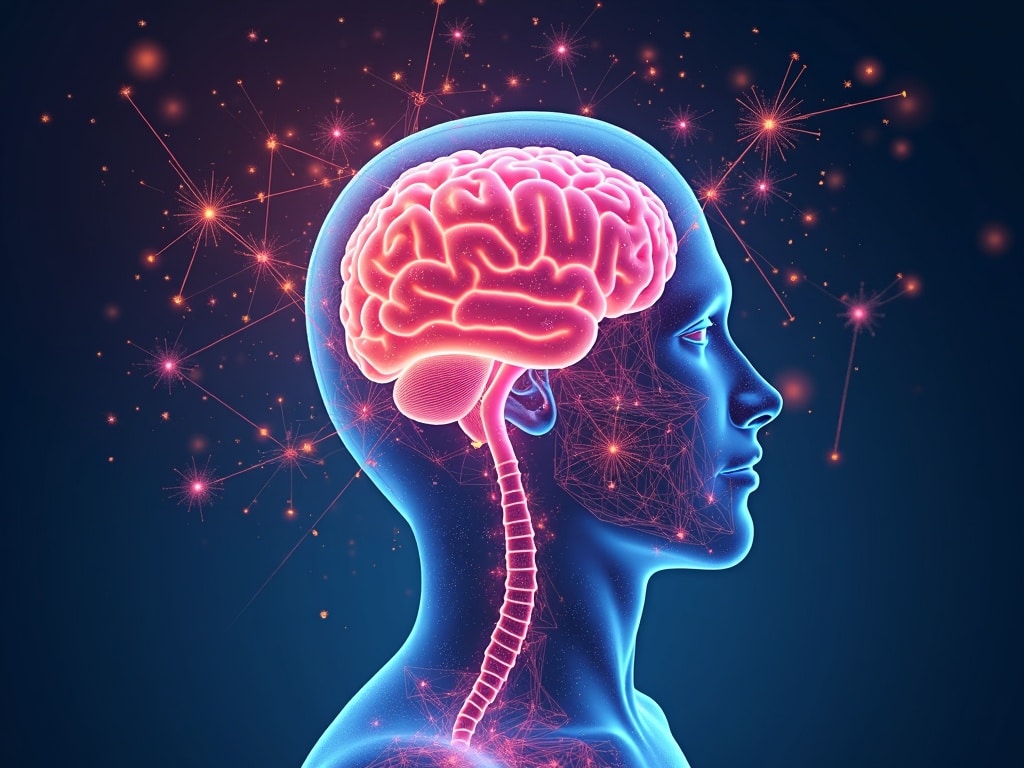
How the Brain Influences the Gut: The Impact of Stress
The communication highway works both ways. The brain, especially during times of stress, can significantly impact gut function.
- Stress and Digestion: Stress can disrupt the normal digestive process, leading to symptoms like bloating, constipation, diarrhea, and abdominal pain. This is because the stress response can alter gut motility and secretion.
- Gut Permeability: Chronic stress can weaken the gut barrier, leading to increased intestinal permeability (leaky gut). This allows harmful substances to enter the bloodstream, triggering inflammation and potentially affecting brain function.
- Microbiome Composition: Stress can also alter the composition of the gut microbiome, reducing the diversity of beneficial bacteria and increasing the abundance of harmful bacteria. This can further contribute to inflammation and gut dysfunction.
- Irritable Bowel Syndrome (IBS): Stress is a well-known trigger for IBS symptoms. The gut-brain axis plays a central role in the development and exacerbation of IBS.
Strategies for Optimizing Your Gut-Brain Axis
The good news is that you can take steps to nurture your gut-brain axis and promote both mental and physical well-being. Here are some evidence-based strategies:
- Eat a Fiber-Rich Diet: Fiber is the primary food source for beneficial gut bacteria. Focus on consuming plenty of fruits, vegetables, whole grains, and legumes. Aim for at least 25-30 grams of fiber per day.
- Include Fermented Foods: Fermented foods like yogurt, kefir, sauerkraut, kimchi, and kombucha contain live probiotics (beneficial bacteria) that can help to diversify your gut microbiome.
- Consider Probiotic Supplements: Probiotic supplements can be a helpful way to introduce beneficial bacteria to your gut. Choose a high-quality probiotic with a variety of strains and a high CFU (colony-forming units) count. Consult with a healthcare professional to determine the best probiotic for your individual needs.
- Manage Stress: Practice stress-reducing techniques like meditation, yoga, deep breathing exercises, or spending time in nature. Adequate sleep is also crucial for managing stress and supporting gut health.
- Limit Processed Foods, Sugar, and Artificial Sweeteners: These foods can disrupt the gut microbiome and promote inflammation.
- Stay Hydrated: Drinking plenty of water is essential for overall health, including gut health.
- Exercise Regularly: Regular physical activity has been shown to have a positive impact on the gut microbiome.
- Consider Prebiotic Supplements: Prebiotics are non-digestible fibers that act as food for your beneficial gut bacteria, helping them to thrive. Examples include inulin, fructooligosaccharides (FOS), and galactooligosaccharides (GOS).
The Future of Gut-Brain Axis Research
The field of gut-brain axis research is rapidly evolving, with exciting new discoveries being made all the time. Scientists are exploring the potential of targeting the gut microbiome to treat a wide range of conditions, from mental health disorders to neurodegenerative diseases. Future research may focus on:
- Personalized Nutrition: Developing tailored dietary recommendations based on an individual's gut microbiome profile.
- Fecal Microbiota Transplantation (FMT): Using FMT to treat conditions like recurrent Clostridium difficile infection and potentially other disorders.
- Developing Novel Probiotics and Prebiotics: Identifying specific strains of bacteria and types of fibers that have the greatest impact on the gut-brain axis.
- Understanding the Role of the Gut-Brain Axis in Neurodegenerative Diseases: Identifying specific mechanisms by which the gut microbiome may contribute to the development and progression of these diseases.
Conclusion: Listen to Your Gut (and Your Brain!)
Understanding the gut-brain axis is empowering. By making informed choices about your diet, lifestyle, and stress management, you can positively influence this vital communication network and improve your overall well-being. It's a reminder that your gut and your brain are inextricably linked, and taking care of one means taking care of the other. It's time to treat your gut with the respect it deserves – and reap the mental and physical rewards. Learn more about the science behind the gut-brain connection.