

Foods That Heal the Gut Lining: Your Guide to a Happy Tummy
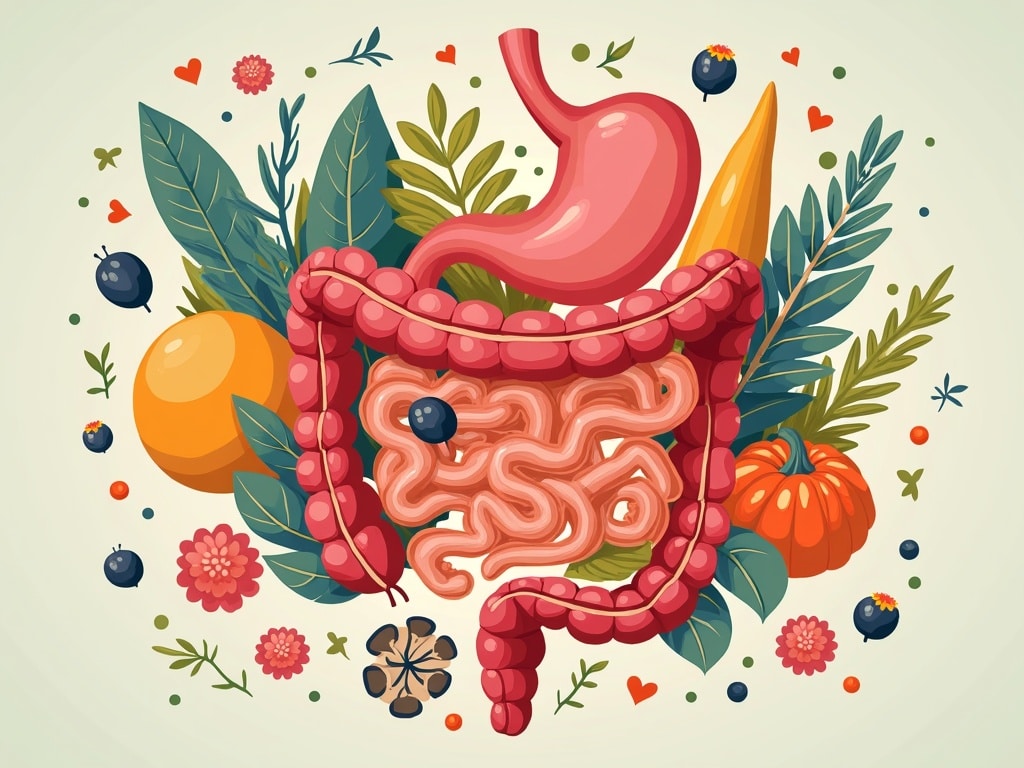
Imagine your gut lining as a lush, vibrant garden. When healthy, it absorbs nutrients effectively, keeps harmful substances out, and hums with beneficial microbial life. But like any garden, it can become damaged and depleted, leading to a host of unpleasant symptoms. Fortunately, just as a gardener can cultivate healthy soil, you can nourish and repair your gut lining with the right foods. Let’s explore the most effective foods that heal the gut lining and restore your digestive health.
Understanding the Gut Lining and Why It Matters
The gut lining, also known as the intestinal barrier, is a single-celled layer that lines your entire digestive tract. It plays a crucial role in your overall health by:
**Absorbing Nutrients:Allowing essential vitamins, minerals, and other nutrients to pass into the bloodstream.
**Preventing Leaks:Acting as a barrier against harmful bacteria, toxins, and undigested food particles from entering the bloodstream – a condition often referred to as leaky gut.
**Housing Gut Microbiota:Providing a home for trillions of beneficial bacteria that aid digestion, boost immunity, and even influence mood.
When the gut lining is compromised, it can lead to inflammation, digestive issues like bloating, gas, and abdominal pain, nutrient deficiencies, and even contribute to autoimmune conditions. That's why prioritizing gut health and consuming foods that heal the gut lining are so important.
Top Foods That Heal the Gut Lining
Now, let's dive into the specifics. Which foods are the superheroes of gut health, working diligently to repair and strengthen your gut lining?
1. Bone Broth: Liquid Gold for Gut Health
Bone broth, a savory broth made by simmering animal bones and connective tissues, is a powerhouse of nutrients that support gut healing.
**Collagen and Gelatin:Rich in collagen, which breaks down into gelatin during the cooking process. Gelatin helps to seal and heal the gut lining by providing the building blocks needed for tissue repair.
**Amino Acids:Contains beneficial amino acids like glutamine, which fuels the cells of the intestinal lining and helps reduce inflammation.
**Minerals:Provides essential minerals like calcium, magnesium, and phosphorus, which contribute to overall health and support various bodily functions involved in digestion.
Incorporating bone broth into your diet is easy. Sip it as a warm beverage, use it as a base for soups and stews, or even cook grains in it for added flavor and nutritional benefits. Aim for homemade versions or opt for high-quality store-bought options with minimal additives.
2. Fermented Foods: Probiotic Powerhouses
Fermented foods are packed with probiotics, beneficial bacteria that contribute to a healthy gut microbiome.
**Yogurt (Plain, Unsweetened):Contains live and active cultures like *Lactobacillusand *Bifidobacterium*, which can help improve digestion, reduce inflammation, and enhance nutrient absorption.
**Kefir:A fermented milk drink similar to yogurt but with a thinner consistency and a wider variety of probiotics.
**Sauerkraut:Fermented cabbage that's rich in probiotics, fiber, and vitamins.
**Kimchi:A spicy Korean side dish made from fermented vegetables, offering a diverse range of beneficial bacteria.
**Kombucha:A fermented tea beverage that contains probiotics and antioxidants.
Start slowly with fermented foods, as some individuals may experience temporary digestive discomfort as their gut adjusts to the increased probiotic load. A few tablespoons or a small serving per day is a good starting point.
3. Healthy Fats: Lubrication and Protection
Certain fats play a vital role in supporting gut health and reducing inflammation.
**Omega-3 Fatty Acids:Found in fatty fish like salmon, mackerel, and sardines, as well as flaxseeds and chia seeds. Omega-3s have potent anti-inflammatory properties that can help soothe an irritated gut. Regularly consuming foods rich in omega-3s can help reduce inflammation and support overall healing.
**Avocado:A creamy fruit packed with healthy monounsaturated fats, fiber, and antioxidants.
**Olive Oil:Extra virgin olive oil contains oleic acid, a monounsaturated fat with anti-inflammatory effects.
Incorporate these healthy fats into your diet by adding avocado to salads, drizzling olive oil on vegetables, and consuming fatty fish a few times per week.
4. Fiber-Rich Foods: Fuel for Gut Bacteria
Fiber acts as prebiotics, feeding the beneficial bacteria in your gut and promoting a healthy microbiome.
**Fruits:Bananas, apples (cooked is easier to digest), berries, and avocados are excellent sources of fiber.
**Vegetables:Sweet potatoes, carrots, spinach, and zucchini provide both fiber and essential nutrients.
**Whole Grains:Oats, brown rice, and quinoa offer a good source of fiber, but be mindful of potential sensitivities.
**Legumes:Lentils, chickpeas, and beans are packed with fiber and protein.
Gradually increase your fiber intake to avoid digestive discomfort. Drinking plenty of water is also essential to help fiber move smoothly through your digestive system.
5. Glutamine-Rich Foods: Fueling Gut Cells
Glutamine is an amino acid that serves as a primary fuel source for the cells lining the intestinal tract.
**Beef and Chicken:Provides glutamine and other essential amino acids important for gut health.
**Fish:Salmon, tuna, and other types of fish offer a good source of glutamine and omega-3 fatty acids.
**Eggs:An excellent source of protein and glutamine.
**Spinach:This leafy green contains glutamine and other nutrients that support gut health.
While glutamine supplements are available, incorporating these foods into your diet can naturally boost your glutamine intake.
6. Anti-inflammatory Herbs and Spices: Soothing the Gut
Certain herbs and spices possess powerful anti-inflammatory properties that can help calm an irritated gut.
**Ginger:Known for its ability to reduce nausea and inflammation [externalLink insert]. Add fresh ginger to teas, smoothies, or stir-fries.
**Turmeric:Contains curcumin, a potent anti-inflammatory compound. Use turmeric in curries, soups, or golden milk lattes.
**Peppermint:Can help relax the muscles of the digestive tract and relieve bloating and gas. Enjoy peppermint tea or use peppermint oil in aromatherapy.
**Chamomile:Known for its calming properties, chamomile can help reduce inflammation and promote relaxation. Drink chamomile tea before bed to soothe your gut and improve sleep.
Experiment with different herbs and spices to find those that work best for you. Be mindful of potential interactions with medications or underlying health conditions.
Foods to Avoid When Healing Your Gut Lining
While incorporating gut-healing foods is essential, it's equally important to avoid foods that can further damage the gut lining.
**Processed Foods:Often high in unhealthy fats, sugar, and additives, which can promote inflammation and disrupt the gut microbiome.
**Refined Sugars:Can feed harmful bacteria in the gut and contribute to inflammation.
**Artificial Sweeteners:May disrupt the balance of gut bacteria and negatively impact gut health.
**Gluten (for sensitive individuals):Can trigger inflammation and digestive symptoms in people with gluten sensitivity or celiac disease.
**Dairy (for sensitive individuals):Lactose intolerance can cause digestive upset and inflammation in some individuals.
**Excessive Alcohol:Can irritate the gut lining and disrupt the gut microbiome.
Lifestyle Factors That Support Gut Healing
In addition to diet, several lifestyle factors can significantly impact the health of your gut lining.
**Stress Management:Chronic stress can negatively impact gut health. Practice relaxation techniques like yoga, meditation, or deep breathing exercises.
**Adequate Sleep:Aim for 7-9 hours of quality sleep per night to support overall health and gut function.
**Regular Exercise:Physical activity can help reduce inflammation and improve gut motility.
**Hydration:Drink plenty of water throughout the day to support digestion and gut health.
Creating a Gut-Healing Meal Plan
Putting it all together, here’s a sample meal plan to inspire your gut-healing journey:
**Breakfast:Oatmeal with berries, chia seeds, and a drizzle of honey.
**Lunch:Bone broth soup with vegetables and a side of avocado.
**Dinner:Baked salmon with roasted sweet potatoes and spinach.
**Snacks:Yogurt (plain, unsweetened), a handful of almonds, or a piece of fruit.
Remember to listen to your body and adjust your diet as needed. What works for one person may not work for another.
The Path to a Healthier Gut
Healing the gut lining is a journey that requires patience, consistency, and a holistic approach. By incorporating these foods that heal the gut lining into your diet and adopting healthy lifestyle habits, you can cultivate a thriving gut environment and unlock a world of health benefits. From improved digestion and enhanced immunity to increased energy and a better mood, a healthy gut is the foundation for a vibrant life. So, nourish your gut, and it will nourish you in return.