
Unlock Your Brain's Potential: The Power of Omega-3 Fatty Acids
Imagine a world where mental clarity is always within reach, where memory lapses are few and far between, and where your cognitive function operates at its peak. While the fountain of youth remains elusive, there's compelling evidence that a simple, natural compound – omega-3 fatty acids – can significantly contribute to brain health and cognitive well-being. But what makes these fats so special, and how can they help you unlock your brain's full potential?
The Brain-Boosting Benefits of Omega-3s
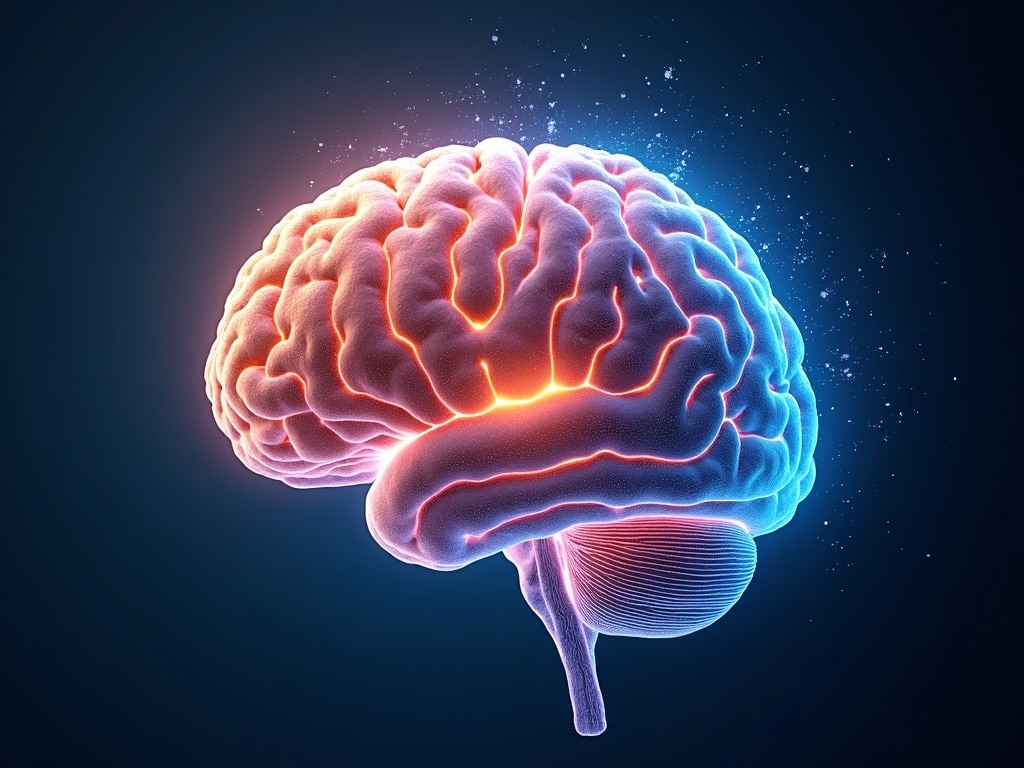
Omega-3 fatty acids are essential fats, meaning our bodies can't produce them on their own; we must obtain them through diet or supplementation. Among the various types of omega-3s, three stand out for their impact on brain health: alpha-linolenic acid (ALA), eicosapentaenoic acid (EPA), and docosahexaenoic acid (DHA). DHA, in particular, is a major structural component of the brain, accounting for a significant portion of its gray matter. But their benefits extend far beyond mere structural support.
Cognitive Function Enhancement
Numerous studies have demonstrated the positive effects of omega-3s on cognitive function. Research suggests that adequate intake of DHA and EPA can improve memory, attention span, and processing speed. These benefits are particularly noticeable in older adults, where age-related cognitive decline is a common concern. Omega-3s help maintain the fluidity of brain cell membranes, making it easier for neurons to communicate with each other. This improved communication translates to better cognitive performance.
Mood Regulation and Mental Well-being
Beyond cognitive function, omega-3s also play a crucial role in mood regulation. Studies have linked low levels of omega-3s to an increased risk of depression and anxiety. EPA, in particular, has shown promise in alleviating symptoms of depression, potentially by reducing inflammation in the brain and promoting the production of neurotransmitters like serotonin and dopamine, which are essential for mood stability. Incorporating omega-3 rich foods into your diet or considering a supplement can be a proactive step towards supporting your mental well-being.
Neuroprotection Against Age-Related Decline
The brain is vulnerable to age-related decline, with conditions like Alzheimer's disease posing a significant threat. Omega-3s offer a degree of neuroprotection, helping to mitigate the risk and progression of such conditions. Their anti-inflammatory properties can help reduce the chronic inflammation that contributes to neurodegeneration. Furthermore, omega-3s may help clear amyloid plaques, abnormal protein deposits that are a hallmark of Alzheimer's disease. While not a cure, omega-3s can be a valuable tool in preserving brain health as we age.
The Science Behind Omega-3s and the Brain
The intricate workings of the brain rely on a complex interplay of chemical signals, electrical impulses, and structural integrity. Omega-3 fatty acids contribute to this intricate dance in several key ways:
- Membrane Fluidity: DHA, in particular, is incorporated into the membranes of brain cells, making them more fluid and flexible. This enhanced fluidity facilitates the transmission of signals between neurons, leading to faster and more efficient communication.
- Neurotransmitter Function: Omega-3s influence the production and function of neurotransmitters, the chemical messengers that carry signals throughout the brain. By optimizing neurotransmitter activity, omega-3s can improve mood, focus, and overall cognitive function.
- Anti-Inflammatory Effects: Chronic inflammation is a major contributor to brain aging and neurodegenerative diseases. Omega-3s possess potent anti-inflammatory properties that can help protect the brain from damage caused by inflammation.
- Brain-Derived Neurotrophic Factor (BDNF): Omega-3s have been shown to increase levels of BDNF, a protein that supports the growth, survival, and differentiation of neurons. BDNF is essential for learning, memory, and overall brain health.
Incorporating Omega-3s into Your Diet
The good news is that boosting your omega-3 intake is relatively straightforward. Here are some effective ways to incorporate these brain-boosting fats into your diet:
Food Sources: A Culinary Approach
Nature provides a rich array of omega-3-rich foods. Fatty fish, such as salmon, mackerel, sardines, and tuna, are excellent sources of EPA and DHA. Aim to consume at least two servings of fatty fish per week to reap the benefits. For vegetarians and vegans, plant-based sources like flaxseeds, chia seeds, walnuts, and hemp seeds offer ALA, which the body can convert into EPA and DHA, although the conversion rate is not always efficient. Fortified foods, such as eggs, milk, and yogurt, are also available, providing an additional source of omega-3s.
Supplementation: A Targeted Approach
If you struggle to obtain sufficient omega-3s through diet alone, supplementation can be a convenient and effective option. Fish oil supplements are a popular choice, providing a concentrated dose of EPA and DHA. Algae-based supplements offer a vegan-friendly alternative, derived directly from the marine algae that fish consume. When choosing a supplement, look for reputable brands that undergo third-party testing to ensure purity and potency. Consult with a healthcare professional to determine the appropriate dosage for your individual needs.
Omega-3 Rich Recipe Ideas
- Grilled Salmon with Roasted Vegetables: A classic combination that delivers a healthy dose of omega-3s and essential nutrients.
- Chia Seed Pudding: A simple and delicious breakfast or snack that's packed with omega-3s and fiber.
- Walnut and Flaxseed Granola: Add this to your yogurt or oatmeal for a crunchy and nutritious omega-3 boost.
- Sardine Salad Sandwich: A surprisingly tasty and affordable way to increase your omega-3 intake.
Debunking Omega-3 Myths and Misconceptions
Like many health topics, omega-3 fatty acids are subject to various myths and misconceptions. Let's address a few common ones:
- Myth: All omega-3s are the same. Reality: ALA, EPA, and DHA have different roles and benefits. While ALA is essential, EPA and DHA are more directly involved in brain health.
- Myth: You only need omega-3s when you're old. Reality: Omega-3s are beneficial throughout life, supporting brain development, cognitive function, and mood regulation at all ages.
- Myth: Omega-3 supplements are all created equal. Reality: The quality and potency of supplements can vary significantly. Choose reputable brands with third-party testing.
- Myth: You can get enough omega-3s from plant sources alone. Reality: While plant sources provide ALA, the conversion to EPA and DHA may be limited. Consider supplementation if you're vegetarian or vegan.
Dosage and Safety Considerations
While omega-3s are generally safe, it's essential to be mindful of dosage and potential side effects. The recommended daily intake of EPA and DHA varies depending on individual needs and health conditions. Most health organizations recommend a minimum of 250-500 mg of combined EPA and DHA per day for healthy adults. Higher doses may be recommended for individuals with specific health concerns, such as heart disease or depression. Potential side effects of high doses of omega-3s include gastrointestinal upset, such as nausea, diarrhea, and fishy burps. These side effects can usually be minimized by taking omega-3s with meals or choosing enteric-coated supplements. Individuals taking blood-thinning medications should consult with a healthcare professional before taking omega-3 supplements, as they can have a mild blood-thinning effect.
The Future of Omega-3 Research and Brain Health
Research on omega-3 fatty acids and brain health is ongoing, with promising avenues being explored. Scientists are investigating the potential of omega-3s to prevent and treat a wider range of neurological and psychiatric disorders, including ADHD, autism, and bipolar disorder. Studies are also examining the optimal dosage and ratio of EPA and DHA for different populations and health conditions. As our understanding of the brain's intricate workings deepens, the role of omega-3s in supporting cognitive function and mental well-being is likely to become even more prominent.
Conclusion: Embracing Omega-3s for a Healthier Brain
In a world where cognitive demands are constantly increasing, prioritizing brain health is more important than ever. Omega-3 fatty acids offer a powerful and natural way to support cognitive function, mood regulation, and neuroprotection. By incorporating omega-3-rich foods into your diet or considering a high-quality supplement, you can unlock your brain's full potential and pave the way for a sharper, clearer, and more vibrant future. So, take the first step towards a healthier brain today and embrace the power of omega-3s.